
 cermakalex
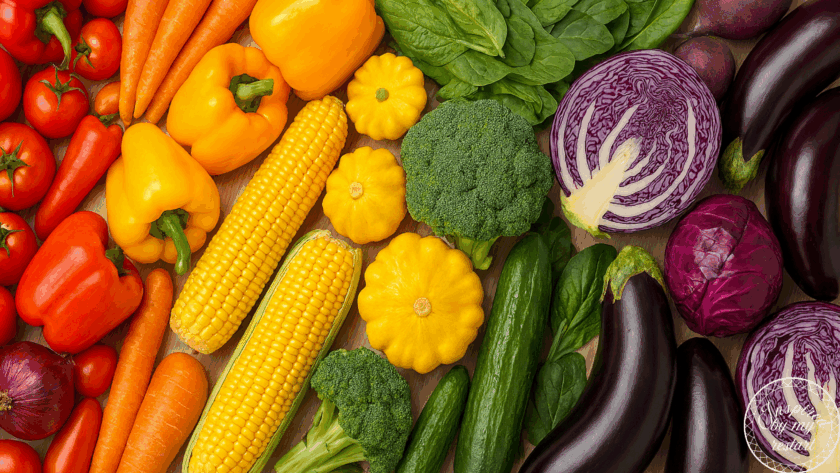
 Eat Colorful Vegetables! Not only do they brighten up any plate and please the eye, but most importantly, they provide your body with valuable nutrients you simply can’t get elsewhere. The colorful palette of vegetables isn’t just visually appealing, each shade represents a different type of beneficial compound your body needs to function properly.
Whether you choose juicy red bell peppers, deep green spinach, or sweet orange carrots, you’re doing something great for your health. Vegetables are an ideal ally for anyone looking to eat a varied, tasty, and body-conscious diet.
Vegetables are a key source of fiber, vitamins, minerals, antioxidants, and other essential nutrients our bodies need to function properly. They help reduce the risk of chronic diseases, support the immune system, and improve digestion. Thanks to their high micronutrient content and low energy value, vegetables should form the foundation of our daily meals.

Root and tuber vegetables like sweet potatoes, beets, or celery provide the body with high-quality carbohydrates that are absorbed slowly, offering steady energy without dramatic blood sugar spikes. The fiber in vegetables supports healthy bowel function, nourishes the gut microbiome, and even helps lower cholesterol levels.
Because of their antioxidant content, vegetables protect cells from damage and slow down aging. Eating a variety of vegetables helps the body fight inflammation and excess weight, as they increase satiety without burdening the body with excess calories. Especially effective are types rich in carotenoids, such as carrots and peppers.
TOP 6 Benefitů
1. A Broader Spectrum of Nutrients
Each color of vegetable often indicates the presence of specific nutrients. For example, orange and yellow vegetables (like carrots, pumpkin, or corn) are rich in beta-carotene, which the body converts into vitamin A, essential for vision and immunity. Green leafy vegetables (like spinach, kale, or broccoli) are great sources of folate, vitamin K, iron, and calcium. Red vegetables (such as tomatoes and bell peppers) contain lycopene, known for its powerful anti-inflammatory effects.
Eating a colorful variety of vegetables naturally gives you a wide range of vitamins and minerals, without having to overthink what your diet might be missing. Color is an easy visual tool to make sure you’re giving your body „everything it needs“, naturally, without supplements or complicated nutrient tracking.

2. Higher Antioxidant Intake
The pigments that give vegetables their vibrant colors are often powerful antioxidants. For instance, anthocyanins (the purple-blue pigments in blueberries, red cabbage, and eggplant) help reduce oxidative stress in the body, a key factor in aging and chronic diseases. Lycopene from tomatoes is associated with a lower risk of certain cancers, especially prostate cancer.
Since each color of vegetable contains different antioxidants, your body receives comprehensive protection from both internal and external harmful influences. Antioxidants also support cell regeneration and contribute to healthy skin, hair, and nails, so eating colorful foods has both health and beauty benefits.
3. Support for Different Body Functions
Each color of vegetable benefits different systems in the body. Green foods like spinach or kale aid liver detoxification and support blood health thanks to their chlorophyll and iron content. Orange vegetables support vision and immunity through their high beta-carotene content. Red produce can promote heart and circulatory health.
Interestingly, purple vegetables, often overlooked, have a positive effect on the brain, memory, and help slow down the aging of the nervous system. By including as many colors as possible in your meals, you’re contributing to balance and harmony throughout the body. No need for complicated biochemistry, just look at your plate.

4. Improved Digestion and Fiber Intake
Vegetables are naturally rich in fiber, which plays a vital role in digestive health. It helps regulate bowel movements, supports a healthy gut microbiome, and can lower the risk of constipation, diverticulitis, or even colon cancer. A variety of vegetables means a variety of fibers, both soluble and insoluble, contributing to overall digestive balance.
Fiber also slows the absorption of sugars and fats, helping to maintain stable blood sugar and cholesterol levels. So colorful vegetables aren’t just a „side dish“, they’re a functional part of the meal that supports health at its core and also aids in weight loss by increasing satiety.
5. Disease Prevention
Regular consumption of a variety of colorful vegetables can significantly reduce the risk of chronic diseases. Studies show that people who eat more vegetables are less likely to develop cardiovascular diseases, type 2 diabetes, high blood pressure, or cancer. Each type of vegetable contributes a different piece to the body’s protective puzzle.
For example, sulfur compounds in cruciferous vegetables (like broccoli, cauliflower, or cabbage) support detoxification and help reduce inflammation. Phytochemicals from garlic and onions have natural antibiotic properties. Over time, a colorful diet can make a real difference, not just in how you feel, but in actual health outcomes.

6. A More Colorful Plate = A Stronger Desire to Eat Healthy
Colorful meals are more visually appealing, which boosts appetite, especially for children, the elderly, or anyone not used to eating much veg. When you put red bell peppers, green spinach, orange carrots, and yellow corn on a plate, the meal looks cheerful and inviting, encouraging you to eat more variety and make healthier choices.
Thanks to this visual appeal, you also avoid food monotony. Trying new combinations, recipes, and colors increases the chance you’ll stick with healthy eating in the long run. Colorful food isn’t just healthy – it’s joyful and creative, too.
Regularly including vegetables in your diet adds variety to everyday meals and brings a broader range of flavors and colors. At the same time, it supplies your body with essential nutrients that support immunity, digestion, and overall health.