
 cermakalex
 Fiber is an essential part of a healthy diet, yet it’s often overlooked. Even though it isn’t digested or absorbed by the body, it has a major impact on our health. Essentially, it’s a polysaccharide – a compound made up of many monosaccharide molecules forming long chains. However, our digestive enzymes can’t break it down.
There are two main types of fiber: soluble and insoluble. Each plays a slightly different but equally important role in the body.
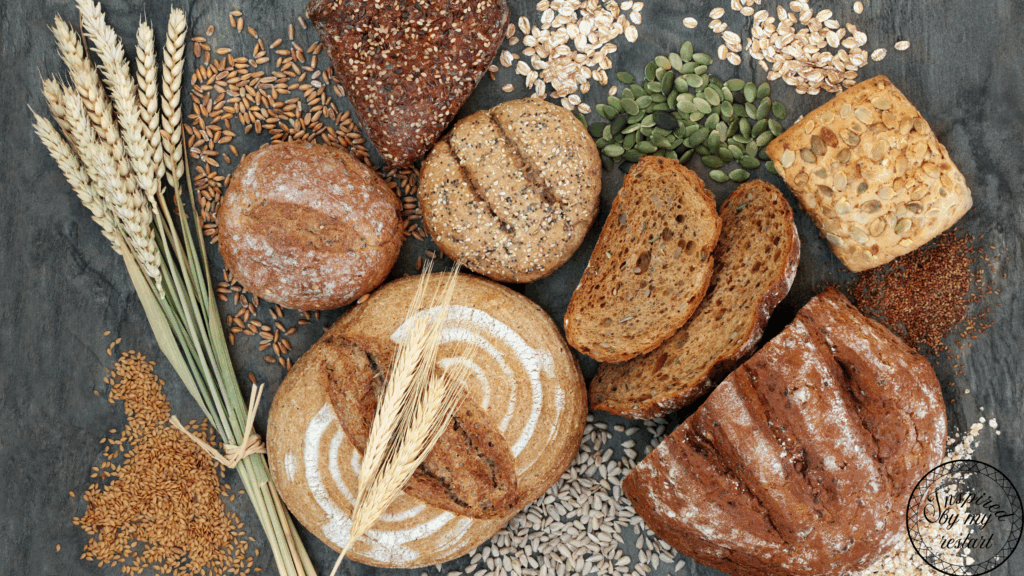
Insoluble fiber, found in whole grains and vegetables, supports bowel movement and regular stool. It acts like a natural „brush“ that helps clean the digestive tract and prevent constipation.
Soluble fiber, found in foods like oats, legumes, and apples, slows digestion, reduces sugar absorption, and helps maintain stable blood glucose levels.
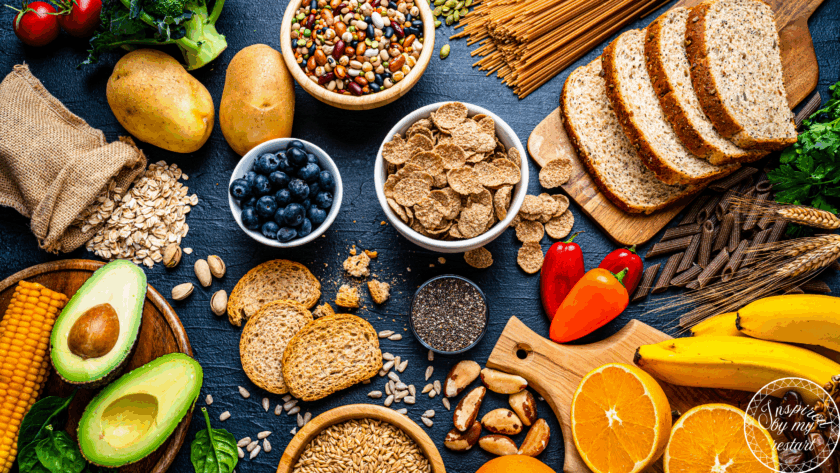
How much fiber should you eat daily? General recommendations suggest an intake of 25–35 grams of fiber per day for the average adult. This can be easily achieved with a diet rich in vegetables and fruits (especially with the skin), legumes (like lentils, chickpeas, and beans), whole grains (oats, rye bread, brown rice), nuts, and seeds.
Fiber also benefits the cardiovascular system. It helps lower levels of „bad“ LDL cholesterol, contributing to heart and blood vessel health. At the same time, it keeps you full longer, which helps with weight management. Its effect on the gut microbiome is also important, soluble fiber serves as food for beneficial bacteria that support immunity and mental well-being.
Top 6 Benefits of Fiber
1. Improved digestion and regular bowel movements
Fiber is key for healthy digestion. Insoluble fiber, found in whole grains, seeds, and fruit peels, increases stool bulk and promotes regular elimination. It acts as a digestive tract „scrubber,“ helping to remove waste and reducing the risk of constipation, hemorrhoids, or diverticulosis.
Regular bowel movements are important not just for comfort but also for overall health. If waste isn’t removed promptly, it can negatively affect gut flora or contribute to inflammation. Adding more fiber improves digestion and brings a sense of lightness and post-meal comfort.
2. Lower risk of lifestyle-related diseases
Numerous studies show that people who consume enough fiber have a lower risk of heart disease, type 2 diabetes, and certain types of cancer. Fiber helps reduce blood cholesterol levels, protecting arteries from fat build-up and plaque formation, which lowers the risk of heart attack or stroke.
Fiber plays a particularly important role in preventing colon cancer. By speeding up food transit through the intestines, it reduces the time harmful substances can act on the intestinal lining. It also supports the growth of healthy bacteria that produce protective compounds like short-chain fatty acids (SCFAs), which have anti-inflammatory effects.

3. Support for a healthy weight
Fiber is one of the best tools for weight loss or maintaining a healthy weight. Its main advantage is that it keeps you full for longer, it swells in the stomach, slows digestion, and creates a sense of fullness, which reduces the urge to snack or overeat.
It’s naturally found in low-calorie-density foods like vegetables, legumes, and fruit. Fiber also helps reduce sugar cravings and overall calorie intake. By including a fiber source in every meal, you not only support your health but also a sustainable lifestyle, without crash diets or the yo-yo effect. A fiber-rich diet keeps you fuller longer, which is the foundation of successful weight management.
4. Nourishment for the gut microbiome
Soluble fiber, found in foods like oats, flaxseeds, and apples, is essential nourishment for the friendly bacteria in our gut. These microbes ferment fiber and turn it into beneficial compounds such as short-chain fatty acids. These help maintain a healthy intestinal lining, support immunity, and reduce inflammation in the body.
A healthy microbiome also greatly influences mental health. More and more research confirms the connection between gut health and psychological well-being. The so-called gut–brain axis shows that balanced gut flora affects stress levels, anxiety, and sleep quality. Regular fiber intake supports both physical and mental health.

5. Stable blood sugar levels
One key effect of fiber, especially the soluble type, is slowing the absorption of glucose from food. This helps avoid sharp spikes in blood sugar after meals, which is especially important for people with insulin resistance or type 2 diabetes. Smoother sugar release helps maintain steady energy and mood throughout the day.
Fiber also improves insulin sensitivity, which can help prevent diabetes. High-fiber foods such as whole grains, legumes, vegetables, and fruits naturally have a lower glycemic index. Regular consumption of these foods leads to better sugar metabolism and reduced risk of metabolic disorders.
6. Longer-lasting energy and vitality
By slowing digestion and stabilizing blood sugar levels, fiber helps maintain steady energy throughout the day. Unlike simple carbs that cause a quick energy spike followed by a crash, fiber supports balanced levels of glucose and insulin. This means fewer energy slumps, less fatigue, and reduced hunger.
Additionally, fiber improves nutrient absorption, especially for micronutrients like magnesium, calcium, and B vitamins, which are important for energy metabolism. As a result, the body is better nourished, recovers more efficiently, and copes with daily stress. The outcome is a greater sense of vitality, balance, and resilience.
By incorporating more vegetables, fruits, legumes, and whole grains into your meals, you’re giving your body a solid foundation for long-term health and vitality.