 cermakalex
 Exercise Prolongs Life!
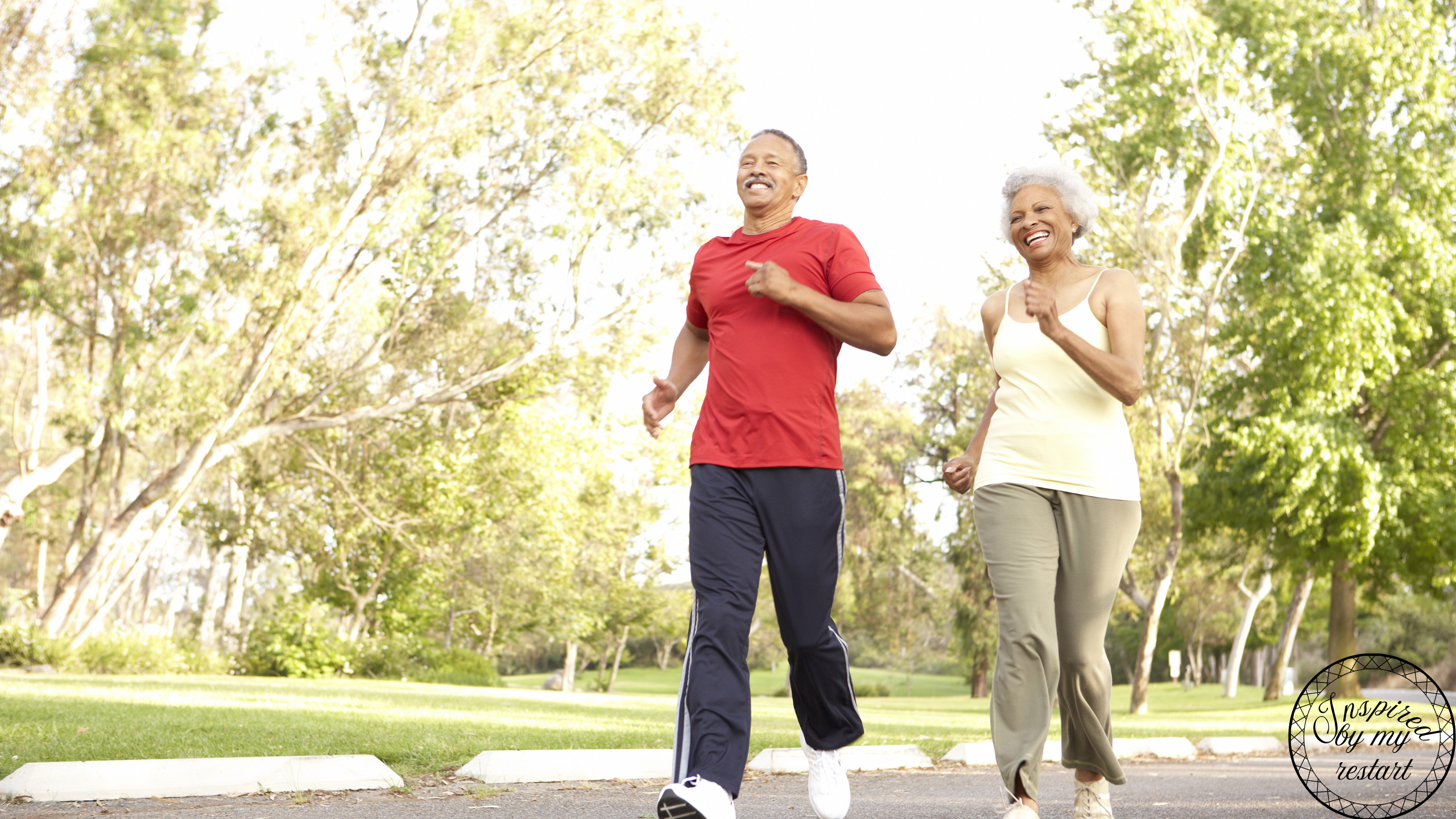
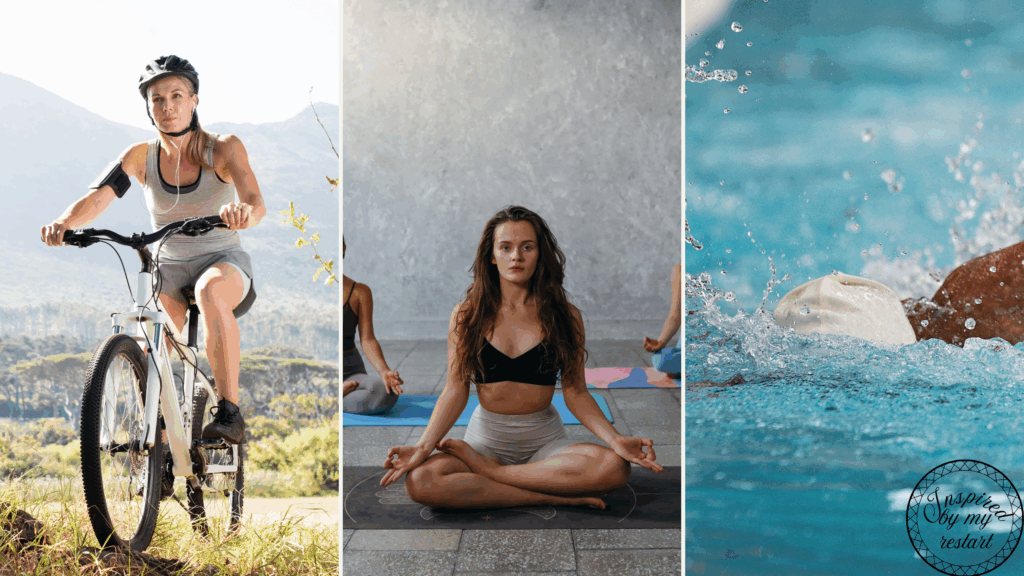
Just 30 minutes of movement a day significantly affects how we feel. Half an hour of activity is enough. It doesn’t have to be any extreme sports performance, brisk walking, cycling, swimming, running, or even faster-paced house cleaning will do the trick.
Consistency is key. Short but daily activity is much more beneficial than intense workouts once a week. Movement improves blood circulation, strengthens muscles, promotes fat burning, and thanks to the release of endorphins, it also boosts your mood.
Make movement your second-highest priority, right after sleep, which should always come first.
Moreover, physical activity is one of the most accessible ways to take care of your health, it’s free, requires no special equipment, and you can fit it into your day anytime. Whether you start your morning with a short walk, hop on your bike after work, or go for a stroll with your kids or dog, every step counts.
The important thing is to make movement a natural part of your day, not an unpleasant obligation. The results won’t take long to show.
Numerous scientific studies confirm that regular physical activity reduces the risk of lifestyle diseases such as type 2 diabetes, cardiovascular diseases, or certain types of cancer.
Additionally, it benefits memory, boosts mental resilience, and improves mood. Incorporating movement into your daily routine supports both your body and mind and enhances overall well-being.
Think 30 Minutes a Day Is Too Much?
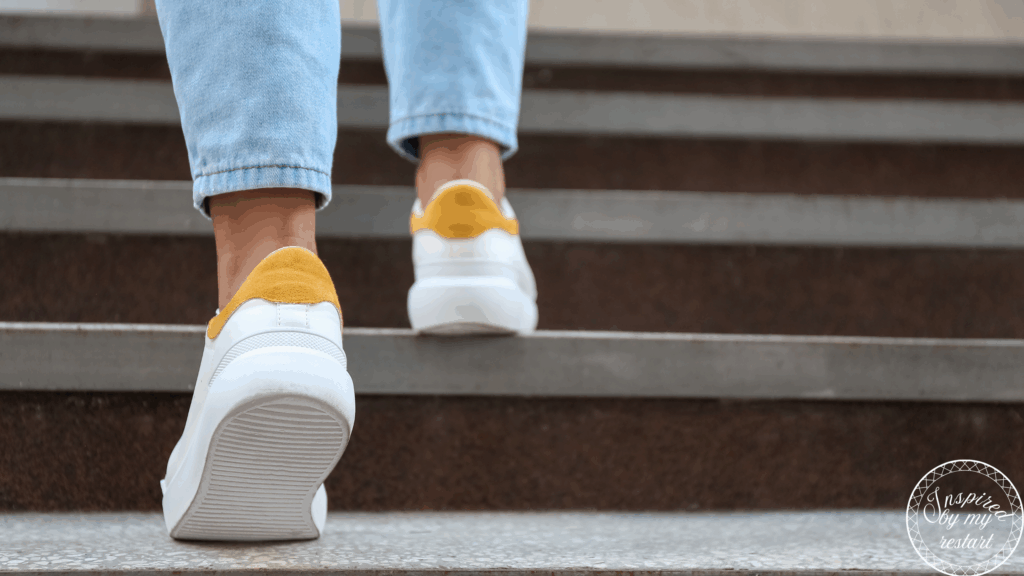
You may be thinking you don’t have time to exercise regularly. But the truth is, you can easily incorporate movement into a busy day, get off the bus one stop earlier and walk, take the stairs instead of the elevator, or stretch during your work break. The form of movement is entirely up to you. The most important thing is consistency and joy in the activity.
🫀 1. Improved Cardiovascular Health
Regular exercise directly benefits our heart and blood vessels. Whether it’s brisk walking, running, cycling, or swimming, movement increases your heart rate and strengthens the heart muscle. This makes the heart more efficient, improves circulation, lowers blood pressure, improves cholesterol levels, and reduces the risk of cardiovascular disease.
Physical activity also helps stabilize blood sugar levels and increases insulin sensitivity, lowering the risk of type 2 diabetes. People who move regularly also tend to have lower inflammation in the body, an important factor in preventing chronic diseases.
Just 30 minutes a day can have a significant positive effect on cardiovascular health.
⚖️ 2. Maintaining a Healthy Weight
Exercise is one of the most effective tools for maintaining optimal body weight. When we move, we burn calories. If we burn more than we consume, the body starts using stored fat for energy.
Regular movement also stimulates metabolism, which stays elevated for hours after a workout. It helps regulate appetite and encourages healthier food choices, people who exercise regularly tend to focus more on balanced nutrition.
The combination of exercise and reasonable eating is the key not just to weight loss, but to long-term weight maintenance. What matters most is finding an activity you enjoy, whether it’s dancing, swimming, hiking, or home workouts.
🦴 3. Stronger Muscles and Bones
As we age, we lose muscle mass and bone density, increasing the risk of weakness, falls, and fractures. Regular weight-bearing exercise (like strength training, stair climbing, or running) stimulates bone growth and strengthens muscles.
This is crucial for preventing osteoporosis and maintaining independence later in life.
Stronger muscles and bones mean better balance, posture, and fewer injuries.
Exercise also improves coordination, which is especially important for older adults.
Whether you’re 20, 40, or 60, it’s never too late to start building physical strength. Even regular brisk walking or light strength training at home can make a big difference.

🧠 4. Boosting Mental Well-Being
Exercise doesn’t just benefit the body, it’s great for the mind too. Movement triggers the release of endorphins, also known as „happiness hormones,“ which improve mood and promote a sense of relaxation and well-being. Regular physical activity helps reduce symptoms of stress, anxiety, and even depression.
It also boosts self-confidence and gives a sense of control over your life and body.
In today’s fast-paced world, even a simple walk outside can be a powerful way to unwind and relieve stress. You can also treat your movement time as a moment just for yourself, without phones, emails, or responsibilities, which by itself can have a healing effect on the psyche.
🔋 5. More Energy and Vitality
It may sound paradoxical, but the more you move, the more energy you’ll have.
Regular exercise improves oxygenation of the body, promotes circulation, and strengthens both the respiratory and muscular systems.
The result is a feeling of higher energy and performance, even for everyday tasks.
Movement also improves concentration, mental alertness, and reduces fatigue, something we all appreciate at work, while studying, or doing household chores.
If you feel tired, sometimes the best remedy is a short walk or a light stretch, your body “wakes up,” and you’ll feel refreshed and more productive.
🛌 6. Supporting Healthy Sleep
People who move regularly tend to sleep better and more deeply. Exercise helps regulate the circadian rhythm, your internal biological clock that controls when you feel tired and when you’re alert. Thanks to physical activity, you feel naturally more tired in the evening, fall asleep faster, and sleep more soundly.
However, it’s important to choose the right time for exercise, intense training just before bed may disrupt sleep for some people. The ideal time for physical activity is during the day or in the afternoon. Even light activity, like brisk walking, can significantly improve sleep quality and support your body’s regeneration.
Add movement to your day and watch your energy, mood, and health improve.
Find an activity that you enjoy and make it a regular part of your routine.
What will it be, walking, cycling, or swimming?