 cermakalex
 The Protein Era?
It certainly seems that way—these days, nearly every food item has a protein version: yogurt, ice cream bars, even muesli bars. And it’s no wonder. Scientific research confirms that getting enough protein is one of the key factors for healthy longevity.
Protein Basics
Proteins are made up of 20 amino acids, nine of which are essential—meaning the body cannot produce them on its own and must obtain them from food. This makes protein intake crucial for everyone, not just weightlifters and athletes. In fact, studies suggest that a lack of sufficient protein may actually accelerate signs of aging.
The human body contains between 10,000 and several billion different types of proteins. These aren’t only found in muscles—they’re also in your hair, skin, and bones. Proteins play vital roles in cellular processes ranging from immune support to bone health.
How Much Protein Do We Need?
The recommended daily intake according to the WHO and EFSA is 0.83 grams of protein per kilogram of body weight. However, many experts today suggest higher values—between 1.5 and 2 grams per kilogram. After the age of 40, protein intake—both animal- and plant-based—should ideally increase.
Regular physical activity, especially strength training, is also part of a healthy lifestyle. For example, a 40-year-old woman weighing 70 kg should aim for 110–130 grams of protein per day.
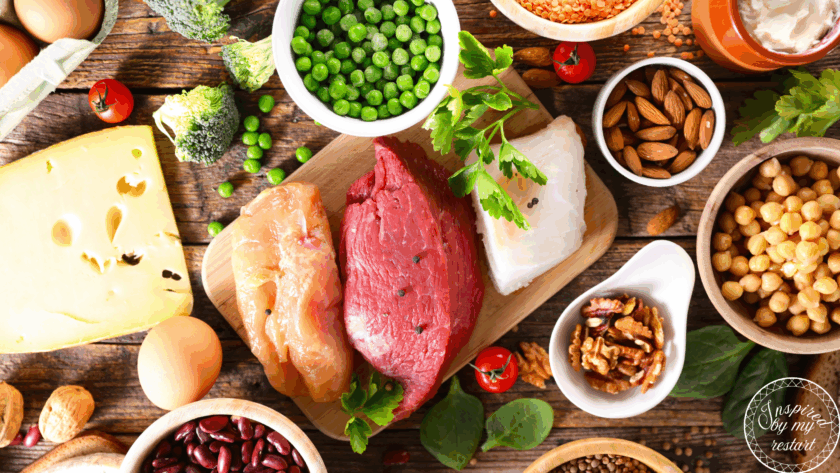
You don’t need to rely on protein-enriched foods. A balanced diet rich in legumes, Greek yogurt, chicken, eggs, almonds, fish, and other natural protein sources is more than enough. Creating a protein-rich daily meal plan using these foods is simple and ensures your body gets high-quality, easily digestible nutrients.

Top 6 Benefits of Protein
1. Muscle Growth and Regeneration
Protein is the fundamental building block of muscle tissue. During physical activity—especially strength training—tiny tears form in muscle fibers. The body repairs these tears using protein, making muscles not only heal but also grow stronger. Without enough protein, this process slows down and can lead to muscle loss—something undesirable not just for athletes, but for anyone, especially as we age.
Proteins also help maintain muscle shape and function. A long-term deficiency can weaken muscles, reduce performance, and hinder recovery. That’s why it’s crucial to include quality protein sources—animal (meat, eggs, dairy) or plant-based (legumes, tofu, nuts)—in your diet. Sufficient daily protein is essential for building and maintaining a strong, healthy body.

2. Stronger Immunity
Proteins are vital for a properly functioning immune system. They’re used to make antibodies—special protein molecules that recognize and neutralize viruses, bacteria, and other invaders. Without adequate protein, the body can’t mount effective defenses, making it more vulnerable to illness.
Proteins are also necessary for producing immune cells and regulatory compounds like cytokines, which coordinate the body’s immune response. Additionally, many hormones and enzymes essential for internal balance are protein-based. For example, insulin—a key hormone for blood sugar regulation and immune function—is a protein. Without enough amino acids, the body’s defenses weaken, wounds heal more slowly, and infection risk increases.
3. Longer-Lasting Satiety
One of protein’s key benefits is that it keeps you feeling full longer. Unlike fast-digesting carbohydrates, proteins break down more slowly, helping stabilize blood sugar levels and extend energy release.
Higher protein intake can naturally reduce sugar cravings and overeating. Proteins influence appetite-regulating hormones by lowering ghrelin (the hunger hormone) and increasing peptide YY, which enhances the feeling of fullness. This makes it easier to stick to a healthy diet without feeling constantly hungry, making protein a powerful ally in weight management.
4. Boosted Metabolism
Digesting protein requires more energy than digesting fats or carbohydrates—a phenomenon known as the thermic effect of food. This means the body burns more calories just processing protein, even at rest, which is beneficial for both weight loss and maintaining metabolic activity.
Protein also helps preserve muscle mass during calorie restriction (such as dieting). Since muscle is a metabolically active tissue, the more muscle you have, the more calories your body burns at rest. So getting enough protein not only boosts calorie burn but also supports a healthy body composition. That’s why protein matters for both athletes and anyone aiming to stay vital and metabolically active.

5. Better Brain Function
The amino acids that make up proteins are essential not just for muscles, but also for the brain. They are the raw materials for neurotransmitters—chemical messengers that transmit signals between nerve cells. For instance, tryptophan is needed to make serotonin, which influences mood and sleep. Tyrosine helps produce dopamine and norepinephrine, which are linked to focus and motivation.
Getting enough protein can therefore positively impact mood, cognitive performance, and mental resilience. Conversely, protein deficiency may lead to fatigue, irritability, and difficulty concentrating. In the long term, high-quality proteins may help prevent mental health disorders and neurodegenerative diseases. The brain needs fuel—and protein is one of its key resources.
6. Healthier Skin, Hair, and Nails
Proteins are the building blocks not just of muscles, but also of the tissues that affect your appearance—skin, hair, and nails. One particularly important protein is collagen, the most abundant protein in the body, which gives skin its strength and elasticity. As we age, collagen production declines, leading to wrinkles and sagging. Consuming enough high-quality protein supports healthy skin and can slow visible signs of aging.
Similarly, keratin is a protein essential for strong, flexible hair and nails. Protein deficiency can result in brittle nails, dry or thinning hair, and tired-looking skin. If you want to enhance your natural beauty from the inside out, a protein-rich diet is one of the most effective long-term strategies. The results may not be immediate—but over time, they pay off.
Sufficient high-quality protein is the foundation for a body that can grow, heal, and thrive well into old age.
So how much protein are you eating? What are your favorite sources? Do you start your day with something like eggs?