
 cermakalex
 Strength Training Is Not Just for Bodybuilders. Today we know that regular strength training has significant health benefits for everyone, regardless of age or fitness level. If you make time for strength training at least twice a week, you can significantly improve your quality of life. Moreover, it’s one of the most effective ways to burn calories and reduce body fat.
What Is Strength Training?
Strength training is a form of resistance training aimed at building strength. It includes lifting weights, using resistance machines, or performing bodyweight exercises like planks.
Strength training has many more positive health effects than previously thought. Nowadays, various health organizations recommend it as one of the most effective tools for both prevention and treatment of certain conditions.
The two most important aspects of strength training are consistency and recovery. One workout won’t make you stronger. You need to build a habit, visit the gym regularly, and bring healthy routines into your everyday life, especially eating a protein-rich diet and getting enough sleep for effective recovery.
How Often Should You Do Strength Training?
You don’t have to spend hours and days in the gym. Two to three sessions per week, lasting 30–45 minutes and targeting major muscle groups, are enough. You can use your own body weight, dumbbells, resistance bands, or machines. What matters most is consistency and proper technique. It’s recommended to perform 8–10 exercises in 2–3 sets of 8–12 repetitions.

From a psychological point of view, strength training boosts self-confidence, reduces stress levels, and improves sleep quality. After just a few weeks of regular workouts, most people notice not only physical changes but also better mood and increased energy throughout the day. And that’s worth it!
Top 6 Benefits
1. Faster Metabolism — Even at Rest
Strength training increases muscle mass, which requires more energy than fat tissue. That means the more muscle you have, the more calories you burn, even while sitting, sleeping, or watching TV. This effect, known as an increase in basal metabolic rate, helps not only with fat loss but also with long-term weight maintenance.
Additionally, strength training triggers the so-called afterburn effect (EPOC – excess post-exercise oxygen consumption), where your body continues to burn more energy for several hours after a workout. Compared to aerobic exercise, this effect is often more pronounced with strength training. Even a short but intense workout can have a long-lasting impact on your energy balance.
2. Increased Strength and Functional Fitness
Strength isn’t only for athletes, we all use our muscles for everyday tasks like carrying groceries, playing with kids, or working in the garden. Strength training improves our ability to handle these tasks without strain or fatigue.
It also enhances neuromuscular coordination, meaning your brain and muscles work together more efficiently. This improves not just raw strength but also movement quality, stability, and balance. In real life, this means you’ll move more confidently, quickly, and with less risk of falls or awkward movements.

3. Injury and Back Pain Prevention
One of the most common causes of back pain and injury is weakness in the deep core muscles, which stabilize the spine and joints. Strength training targets and strengthens these muscles, improving body stability and load distribution during movement, reducing the risk of overuse injuries.
People with sedentary jobs often suffer from back pain due to weakened trunk muscles. Regular strength training can not only reduce these pains but eliminate them entirely. The key is consistent focus on core strengthening, as well as on commonly neglected muscle groups like the glutes, mid-back muscles, or hamstrings.
4. Improved Mental Health and Mood
Strength training triggers the release of endorphins, the „happy hormones“ that naturally boost mood, reduce anxiety, and help manage stress. This psychological effect, often described as „exercise euphoria,“ can greatly improve mental health, especially during times of stress or life transitions.
Beyond chemical changes, strength training also promotes mental resilience. The feeling of being able to lift heavier weights, control your body, and overcome challenges builds confidence and motivation. Many people say that regular training has helped them develop greater discipline and a better relationship with their bodies, positively impacting other areas of their lives too.
5. Stronger Bones and Osteoporosis Prevention
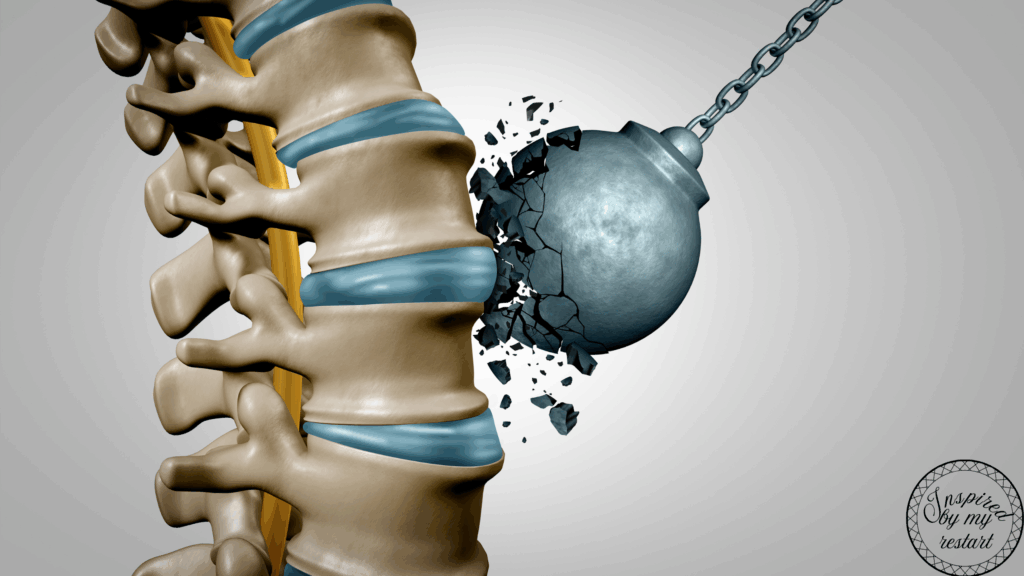
Load-bearing exercise is crucial for bone health, as it stimulates the creation of new bone tissue. Like muscles, bones respond to stress by becoming stronger. Regular strength training increases bone density, which is key to preventing osteoporosis, especially in postmenopausal women.
Stronger bones mean a lower risk of fractures and greater resilience to unexpected falls or impacts. Training also improves balance and coordination, reducing the likelihood of falls. Strength training should be an essential part of a healthy lifestyle from a young age, but it’s never too late to start — even seniors can see noticeable benefits.
6. Slower Aging and Maintained Mobility
As we age, we naturally lose muscle mass and strength, a process called sarcopenia. Strength training is one of the few effective ways to slow down or even reverse this process. Regular exercise helps maintain not only muscles but also tendons, joints, and the cardiovascular system, all crucial for quality of life in later years.
People who train regularly stay independent and mobile longer. They can climb stairs, get up from chairs, carry bags, and enjoy their favorite activities without issues. Strength training isn’t just about looks or performance, it’s an investment in healthy, active aging, allowing you to fully enjoy life without unnecessary limitations.

Strength training is a key component of overall health and fitness. It supports neuromuscular function, bone strength, flexibility, and boosts physical performance. If you want to lead an active life and improve your overall well-being, consider making it a part of your regular fitness routine.