 cermakalex
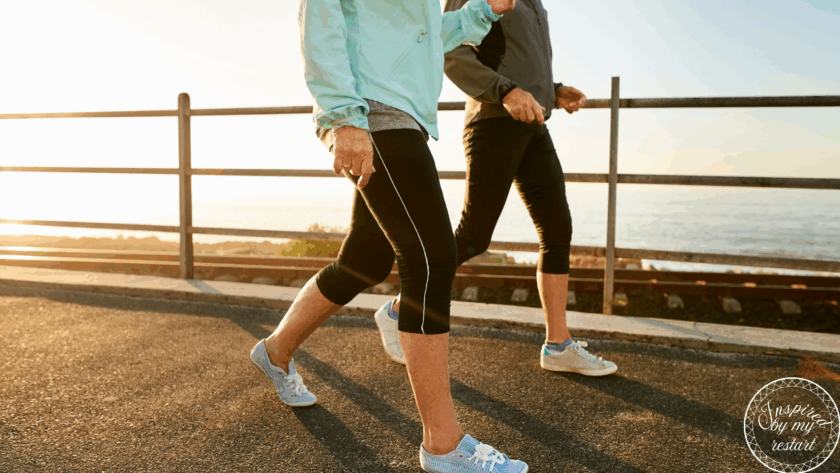
 Health begins with a step after a meal. Do you walk after eating? Not yet? Correct this mistake. Just 2–5 minutes of walking significantly supports digestion, stabilizes blood sugar, and boosts mood, scientists confirm. And ten minutes? That’s when your body says: “Yes, that’s exactly what I needed!” This simple habit can have a surprisingly powerful impact on overall health, yet it’s so easy to do.
Every bit of movement benefits your health. While 5 to 10 minutes of walking might not seem like much, it can meaningfully increase your daily energy expenditure. Even light activity after a meal kickstarts your metabolism and helps your body burn calories more efficiently. Plus, your muscles immediately begin using glucose for fuel, which helps keep blood sugar levels balanced and fights insulin resistance.
This mental reset is especially useful if you’re heading back to work or study after lunch. Instead of slipping into a “food coma,” you’ll feel fresher and more focused. A short walk boosts oxygen flow to the brain, sharpens concentration, and recharges productivity. Even a quick stroll with a colleague through the office can double as a mini meeting.

Regular short walks after meals also have a significant impact on heart and vascular health. Key benefits include lowering blood pressure, improving circulation, and supporting overall cardiovascular fitness. And you don’t have to go far walking around the block, around your home, or even just taking out the trash counts.
The key is consistency. Make it a small ritual: take a short walk after breakfast, lunch, and dinner. You don’t need to power-walk, but a pace slightly faster than your normal stroll is ideal. Studies show that people who walk just 10% faster achieve better results in blood sugar regulation. It’s not about performance—it’s about movement that makes a difference.
Top 6 Benefits
1. Better Digestion
After eating, blood flow is directed to the digestive tract, which can cause heaviness or slower digestion. A short walk activates the abdominal and back muscles, gently massaging the internal organs and supporting peristalsis, the rhythmic movement of the intestines. This leads to faster food breakdown, better nutrient absorption, and fewer digestive issues.
It also reduces bloating, heartburn, and that “stuffed” feeling. Many people notice that even a quick 5-minute walk makes them feel lighter and more comfortable, especially after heavier meals.

2. Stabilized Blood Sugar
After a meal, blood glucose levels naturally rise. If you remain seated, your body must regulate this spike with insulin, which can be taxing, especially if you’re prone to insulin resistance. Light walking engages muscles, which immediately use glucose as fuel, helping blood sugar stabilize more naturally.
This effect is so strong that some studies recommend post-meal walks as a strategy for preventing type 2 diabetes. For those already diagnosed, it can be key to better glycemic control. Best of all no equipment, no plan, just stand up and walk.
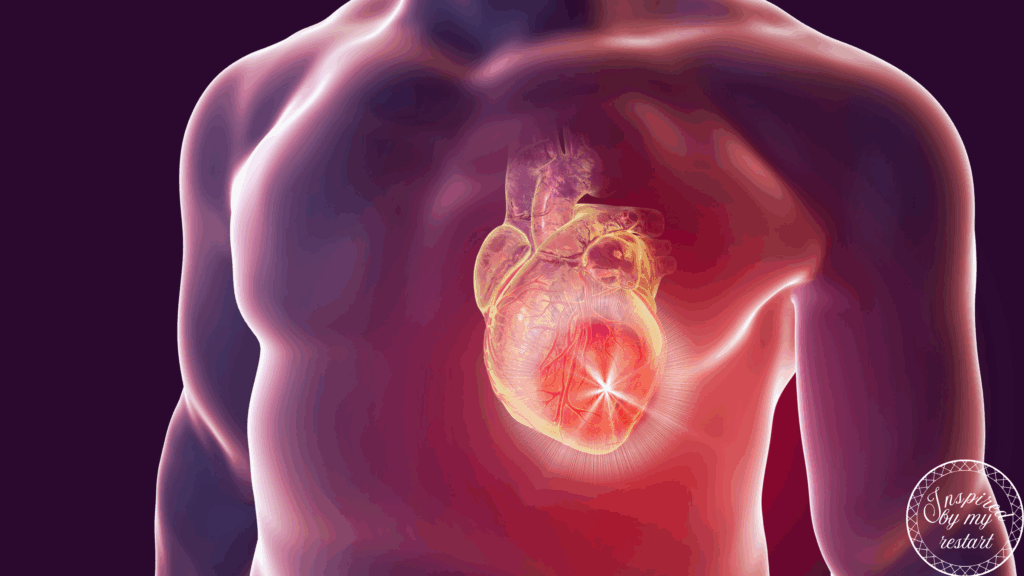
3. Heart Health Support
The cardiovascular system thrives on regular movement. Short walks after meals improve blood flow, lower blood pressure, and enhance vascular elasticity. This reduces the risk of atherosclerosis, heart attacks, and strokes.
They also lower “bad” LDL cholesterol and raise “good” HDL cholesterol. Over time, this simple habit can help rejuvenate the circulatory system and with consistency, results come faster than you’d expect.
4. Increased Calorie Burn
Even short post-meal walks can shift your energy balance. After eating, the body tends to store energy, but movement nudges it toward using that energy. This increases total daily calorie expenditure, supporting weight management without drastic diets.
When practiced regularly, these small walks can burn hundreds of extra calories per month effortlessly.
5. Mental Reset
After eating, drowsiness often lowers focus. A short walk, however, activates the brain, increases oxygen supply, and boosts neurotransmitters like dopamine and serotonin. The result? A better mood, sharper concentration, and a feeling of freshness.
Perfect if you need to dive into work, study, or creative tasks. Even better, outdoor walks can act as a natural antidepressant.
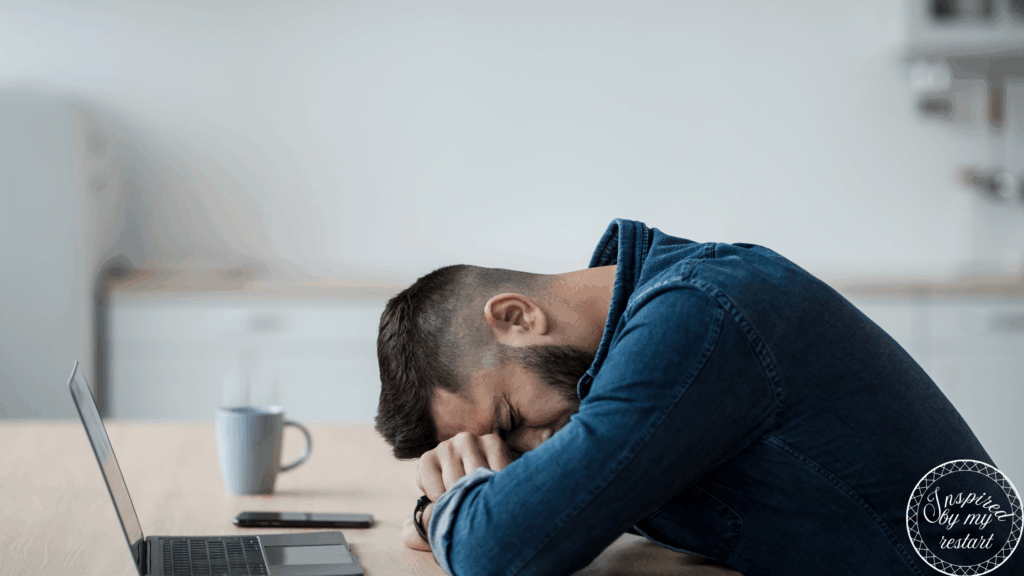
6. Prevents Fatigue and Drowsiness
The body naturally wants to rest after meals, leading to tiredness or sluggishness. Walking flips that switch activating the nervous system, raising heart rate, and stimulating the brain. Instead of a slump, you feel energized.
For those with sedentary jobs or long study sessions, this habit is a game-changer. Instead of dragging you down, your meal fuels your energy. Over time, your body will begin to expect and welcome this little ritual, just like morning coffee or an evening shower.
So next time you finish a meal, don’t just sit down. Stand up and take a few steps. Your body will thank you more than you realize and the more often you do it, the more natural and powerful this little ritual becomes.