
 cermakalex
 Are you aware of how a walk in a green forest affects you? And how does the color green generally influence you? Do you have any idea what green plants bring into our lives not only outdoors but also at home?
Today’s hack is about how to make the environment where we spend a lot of time more pleasant, better, and beautifully decorated. Some houseplants can also help improve air quality or contribute to better sleep. The air quality inside homes is often worse than outside air.
The reason is the accumulation of harmful substances indoors such as xylene, formaldehyde, benzene, toluene, and others. These substances can be released from furniture, carpets, building materials, cleaning agents, and even pets. Regular ventilation is often not enough.
Houseplants help clean the air through photosynthesis and cooperation with microorganisms in the soil. Harmful substances enter plants through stomata on the leaves and then travel to the roots, where soil microorganisms break them down. This process improves indoor air quality.
So, let’s talk about which plants are the most effective and shouldn’t be missing in our homes.
Peace Lily
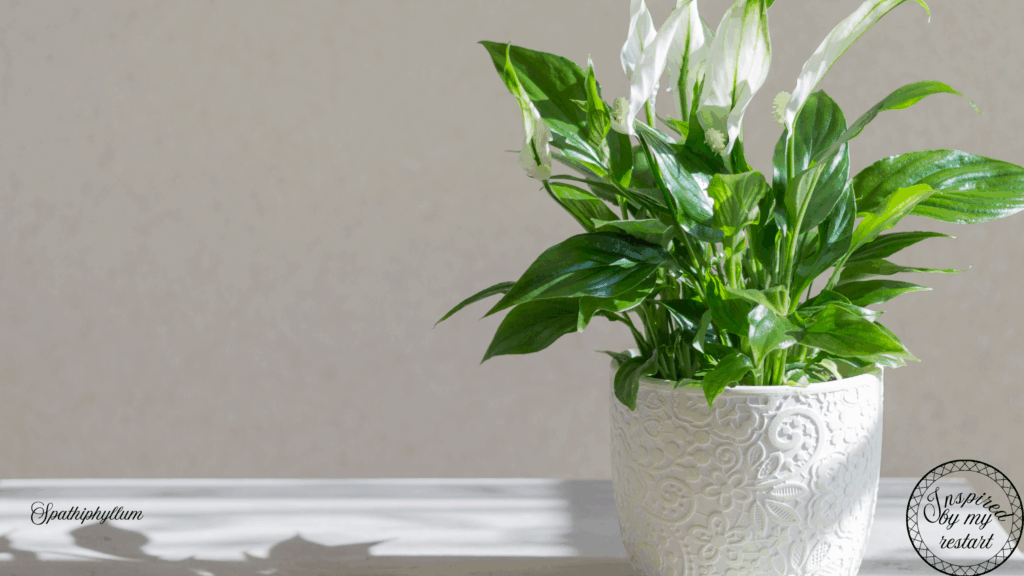
The peace lily is an easy-care houseplant that can tolerate low light and requires simple maintenance. It effectively cleans the air from harmful substances like formaldehyde, benzene, or toluene. It also increases humidity, which is especially appreciated by allergy sufferers. It’s perfect for the bedroom or living room.
Snake Plant
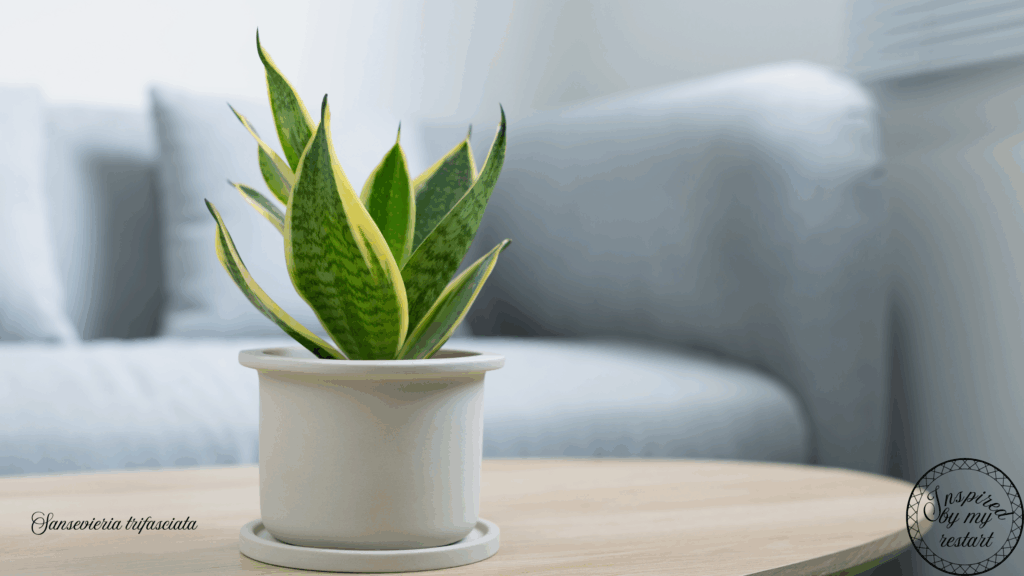
The snake plant is a hardy houseplant that can survive low light and only needs watering once every two weeks. It produces oxygen at night while filtering harmful substances like formaldehyde, benzene, and trichloroethylene from the air, making it an ideal choice for the bedroom. Although it is not one of the most beautiful plants, it decorates any room but is poisonous, so it should be kept out of reach of children and pets.
Spider Plant
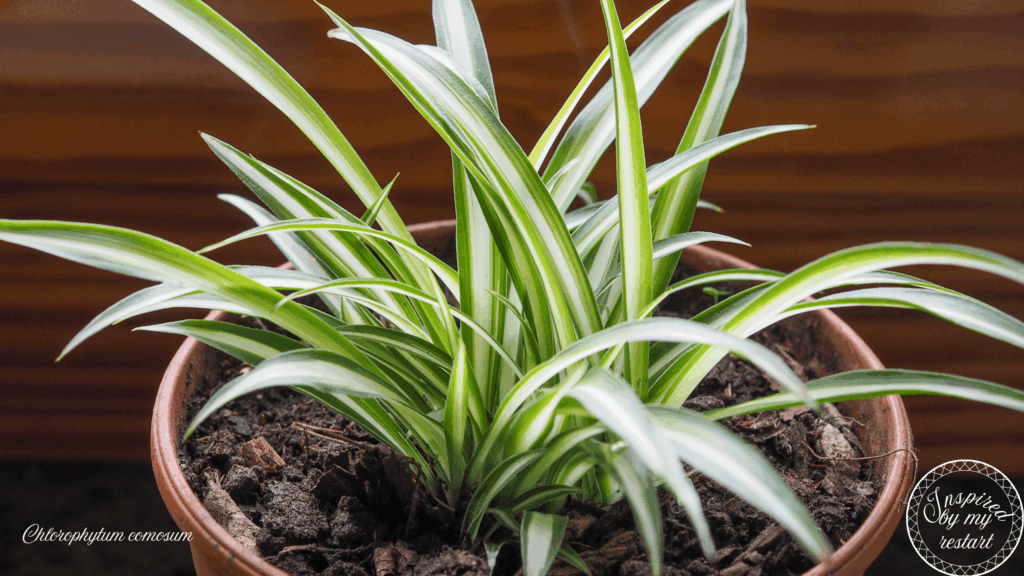
The spider plant is an easy-to-care-for houseplant that is also suitable for a child’s room, ideally placed higher up, like on a shelf or cupboard. It effectively cleans the air from harmful substances including formaldehyde, benzene, toluene, and carbon monoxide, being able to remove up to 90% of formaldehyde. Its long, shiny leaves also create an optimistic and aesthetic vibe.
Weeping Fig (Benjamin Fig)
The weeping fig, also known as Benjamin, is an effective natural air purifier with filtration abilities similar to the spider plant. Due to its size and light requirements, it’s ideal for larger, brighter bedrooms where it can fully shine. Besides cleaning the air, it also makes the environment more cozy and lively.

Jasmine
Jasmine is often overlooked, but it has beautiful white flowers and a sweet scent with relaxing effects that were valued even in ancient times. A study from Wheeling Jesuit University even showed that its fragrance improves sleep quality and reduces nighttime restlessness.

TOP 6 Benefits
🌬️ Air purification
Houseplants can filter harmful substances from the air, such as formaldehyde, benzene, or carbon dioxide. They act as natural purifiers, capturing toxins while producing oxygen, which benefits not only the respiratory system but overall vitality.
This natural filtration is especially valuable in enclosed spaces where we spend most of our day—whether at home or in the office. Cleaner air leads to less fatigue, better concentration, and support for a healthy immune system.
💧 Increase humidity
Plants naturally release water through their leaves by a process called transpiration. This raises indoor humidity, which helps moisten dry air—ideal during winter or in air-conditioned rooms.
Higher humidity can reduce irritation of the respiratory tract, dry skin, or chapped lips. It also helps lower dust levels and creates a healthier environment for our body and mind.
🧘 Reduce stress and anxiety
The presence of greenery alone has a calming effect on our psyche. Plants evoke a sense of safety, calm, and connection with nature—which can significantly reduce stress and anxiety, especially during daily hustle.
Taking care of plants also promotes mindfulness and a sense of fulfillment. Every watering, repotting, or watching growth creates micro-moments of calm and grounding that help establish inner balance.
🧠 Boost concentration and creativity
Studies show that work environments enriched with greenery enhance cognitive performance, focus, and creativity. Plants support mental well-being, which positively affects productivity and problem-solving ability.
Visual contact with natural elements stimulates the brain, reduces mental fatigue, and supports “flow” — a state of deep immersion in an activity. Perfect for work corners, studios, and student rooms.
😴 Improve sleep
Some plants, like lavender, jasmine, or aloe vera, contribute to more restful sleep thanks to their calming properties and ability to release oxygen at night. Natural scents and visual harmony in the bedroom help the body switch to relaxation mode.
In addition, plants create a sense of safety and coziness, which can positively affect falling asleep. A calming bedroom atmosphere supports regeneration and overall mental hygiene.
🌱 Beauty and home well-being
Houseplants bring life, color, and texture to interiors. They act as natural decoration that can cozy up any space—from minimalist apartments to rustic cottages. They create a pleasant atmosphere that invites relaxation.
The aesthetics of greenery evoke a sense of balance and connection with nature, even when indoors. Thanks to this, plants contribute to overall well-being, satisfaction, and a feeling of home—which is more important today than ever.
How many plants to get?
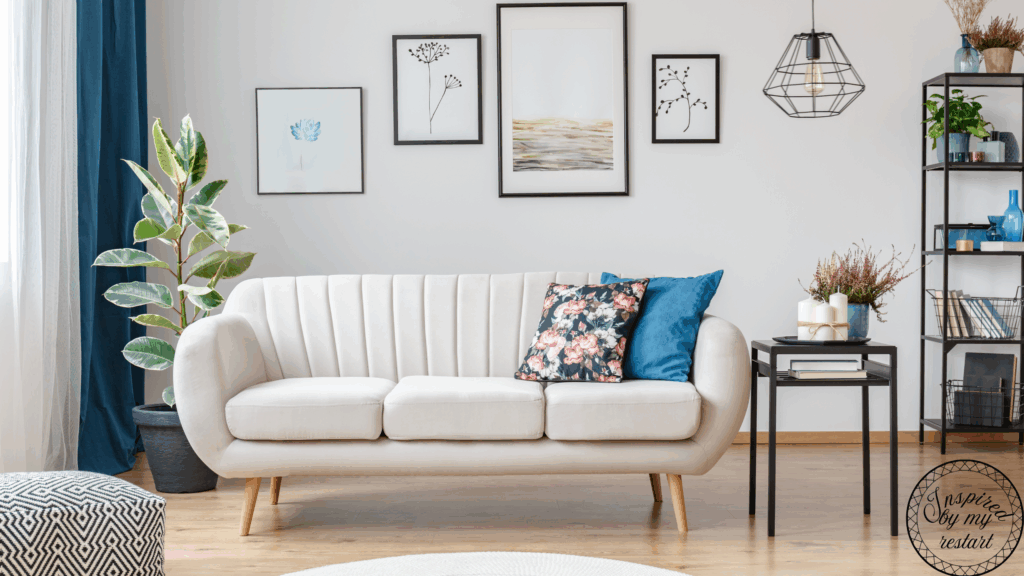
The number of houseplants depends on space, light conditions, and your willingness to care for them. In a smaller apartment, 3 to 5 plants are often enough to create a pleasant atmosphere without overcrowding the space. Larger apartments or houses can afford ten or more plants if well arranged. Plants not only beautify interiors but also improve air quality and support mental well-being. It’s important to start with a smaller number and add more according to your experience. Every home is different, so the ideal number of plants is not universal but individual.
Do you like plants? How many can you imagine having at home to make your space more enjoyable? And how many do you actually plan to get? Write in the comments 🙂