
 cermakalex
 Today, science allows us to live longer and healthier lives. Our lifestyle plays a crucial role in longevity – diet, sleep, movement, stress management, and joy in life. The foundations of a long life are built daily at home. Miracles aren’t needed – just conscious everyday choices. Focus on these five simple yet essential areas:
1. Move Every Day – Even a Little is More Than Nothing
Physical activity is key to maintaining health and longevity. Whether it’s exercise, walking, or any other form of movement, regular physical activity offers many benefits. It supports heart health, improves lung function, strengthens bones and muscles, lifts your mood, and helps regulate weight.
What we need to aim for is sufficient mobility and flexibility of joints and muscles, and a strong enough heart. You don’t have to go to the gym three times a week – instead, move throughout the day. Look for opportunities to train your balance and do tasks that enhance your flexibility.
Daily walks, cycling, or simply stretching every hour, doing a few squats or lunges are enough. In the evening at home, stretch your hip joints and practice getting up from the floor without using your hands.
Movement helps:
- Maintain a healthy weight
- Improve cardiovascular health
- Strengthen bones and muscles
- Reduce the risk of diabetes, cancer, and dementia
- Boost mood through endorphin release
The key is consistency. Once you integrate movement into your daily routine, it will stop feeling like a chore and become a natural part of your lifestyle.

2. Quality Sleep – Your Secret Weapon for Recovery
Sleep is often underestimated, but it’s absolutely essential for health. During sleep, the body repairs damaged cells, regulates hormones, and stores important information in memory. Lack of sleep increases the risk of obesity, diabetes, cardiovascular diseases, and mental health issues.
Adults need 7–9 hours of sleep per night. Try creating an evening routine that helps your body switch into rest mode: no screens at least an hour before bed, dim lighting, calm music, or reading. Regularity is important too – go to bed and wake up at roughly the same time every day.
Sleep helps:
- Regenerate the body
- Strengthen the brain
- Regulate hormones
- Improve immunity
- Support mental health
3. Eat Smart – Health Begins on Your Plate
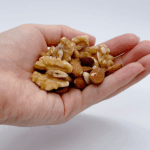
Nutrition has a huge impact on how we feel and how long we live. One of the most researched and effective eating patterns is the Mediterranean diet. It emphasizes fresh vegetables and fruits, whole grains, legumes, nuts, and seeds, with high-quality olive oil as the main source of fat. It includes moderate consumption of fish, poultry, and red wine, while red meat and sweets are limited.
Numerous studies confirm that the Mediterranean diet, rich in nutrients, antioxidants, and healthy fats, supports proper body function, strengthens immunity, and reduces the risk of chronic diseases – contributing to a longer and healthier life. You don’t need to follow strict diets – the key lies in the quality and balance of your meals based on these principles.
The Mediterranean diet:
- Supports heart and vascular health
- Boosts the immune system
- Helps maintain a healthy weight
- Reduces the risk of chronic illnesses
- Improves digestion and supports gut health
Limit:
- Processed foods (sweets, fast food)
- Excess sugar, salt, and saturated fats
- Alcohol consumption
Healthy eating shouldn’t be a punishment, but a joy. Learn to cook at home with fresh ingredients, involve your family, and make shared meals a pleasant ritual. This supports not just physical but also mental health.
4. Less Stress, More Calm – Learn to Slow Down
Stress is an inevitable part of life, but chronic stress can have serious consequences for our health. It contributes to lifestyle diseases, weakens the immune system, and affects sleep and digestion. And it’s at home where we can do a lot to manage stress better.
Chronic stress is a silent killer. It plays a role in the development of modern diseases, drains the immune system, and disrupts sleep and digestion. But our home environment can become a sanctuary for stress relief.
Try to find a moment for yourself each day: breathing exercises, meditation, a walk in nature, listening to music, or simply sitting quietly with a cup of tea. It’s important to learn to say “no,” not to take on every responsibility, and to prioritize your own needs.
Being offline also helps – limit your time on social media and spend more time in the real world.

5. Enjoy Life – Laughter Heals
Happiness, joy, and laughter aren’t just pleasant emotions – they have real health benefits. Research shows that optimistic and cheerful people live longer, are less likely to suffer from heart disease, and cope with stress better.
We can consciously create joyful moments – by spending time with loved ones, pursuing hobbies, helping others, or simply allowing ourselves to do nothing. What matters is remembering what brings us joy and regularly indulging in these little pleasures.
Conclusion: Big Changes Begin with Small Steps
Longevity isn’t about extremes. It’s about everyday decisions that add up. Small changes at home – walking more, a peaceful evening, fresh food, a deep breath, and a smile – can have a huge impact on your health and quality of life. Don’t wait for Monday, the New Year, or “when there’s more time.” Start today. Because longevity truly starts at home.