 cermakalex
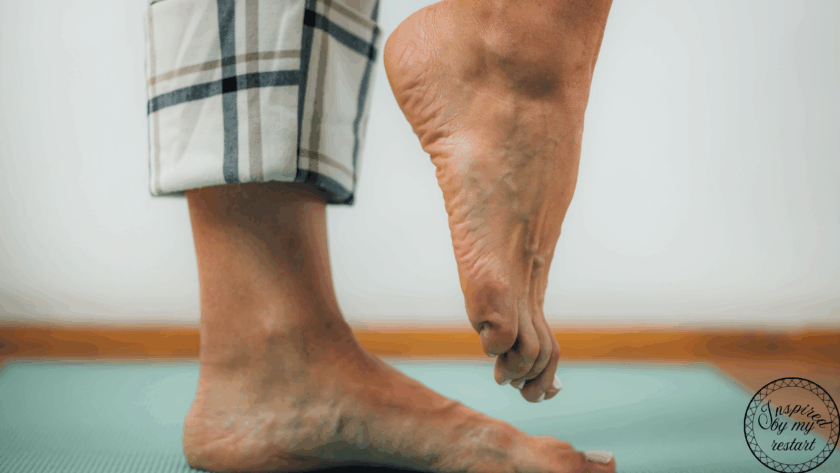
 Standing on one leg for 10 seconds reveals a lot about your health status.Standing on one leg is not a strenuous activity, but for men and women in middle age, it can be a very useful exercise that reveals a lot about one’s health. A study published in the British Journal of Sports Medicine showed that people who cannot stand on one leg for at least 10 seconds have a higher risk of death in the following 10 years.
Researchers from Kyoto University also found that difficulties standing on one leg for 20 seconds with eyes open in middle-aged and older adults may indicate an increased risk of stroke, dementia, or other diseases.
Moreover, single-leg balance is one of the few exercises you can truly practice anywhere: while brushing your teeth, waiting for the bus, or during a short break at work. It requires no equipment, space, or special clothing. And yet, it brings surprisingly strong benefits: it activates deep stabilizing muscles, supports proper posture, and strengthens the connection between the brain and the body.
Regular balance training also improves proprioception, the ability to sense the position of one’s own body in space. This naturally declines with age, leading to more frequent falls and injuries. Therefore, starting to train early is an investment in the future that can literally keep a person on their feet even in old age. Just a few seconds a day can strengthen the body’s resilience, improve coordination, and contribute to active and safe movement in later years of life.
TOP 6 Benefits
1. Better Brain-Body Connection
Balance training activates neural pathways that connect the brain with muscles, tendons, and joints. When balancing on one leg, the brain must constantly evaluate the body’s position, thereby improving coordination and reaction speed. This type of stimulation supports neuroplasticity, the brain’s ability to form new connections.
Regular inclusion of this simple exercise can thus have a surprisingly significant impact on motor skills. The body learns to perceive its movement in space more accurately, and the brain strengthens functions that often weaken with age. It is a small workout for both the body and the brain that enhances the “internal software” of the entire system.
2. Stronger Core
Standing on one leg activates the deep stabilizing system, the core, the pelvic floor, and the deep muscles around the spine. These muscles work continuously to keep the body upright, and strengthening them is crucial for a healthy back and proper posture. Unlike classic strength exercises, this involves functional engagement in a natural movement.
A strong core improves performance in sports and everyday activities. A more stable body responds better during quick movements, lifting weights, and unexpected changes in direction. Balance exercises are therefore an inconspicuous, yet effective way to strengthen the body’s center comprehensively and gently.
3. Prevention of Falls and Injuries
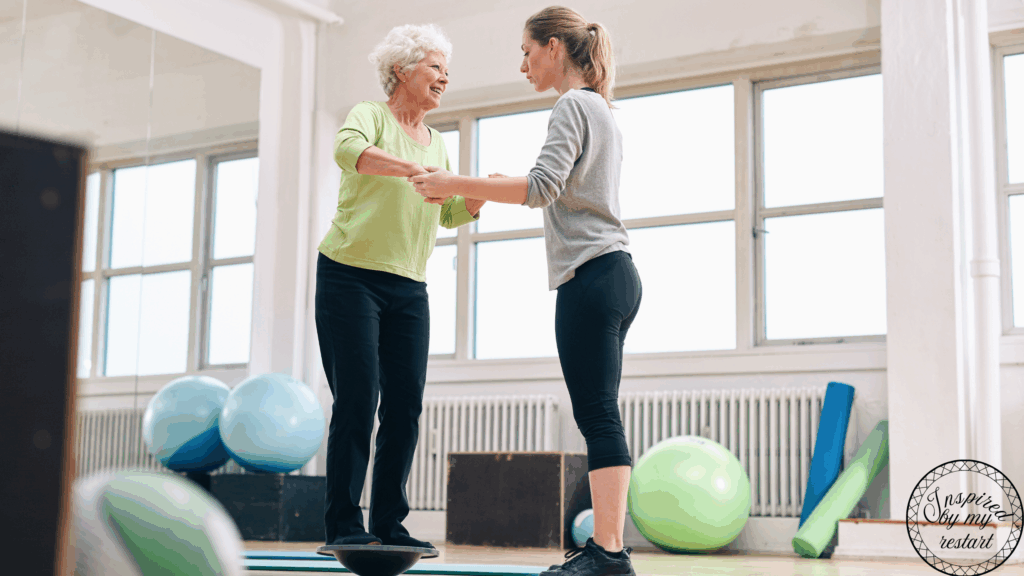
The ability to maintain balance naturally deteriorates with age, increasing the risk of falls. Single-leg training strengthens proprioception, allowing you to react faster to uneven surfaces or sudden situations. Stable ankles, knees, and hips are key to safe movement.
Regular improvement of balance acts as long-term injury prevention. Better coordination and stronger muscles help the body “catch itself” in moments where a fall would otherwise occur. It is a simple exercise that has a significant impact on the quality of life, not only today but also in the future.
4. Supports Longevity
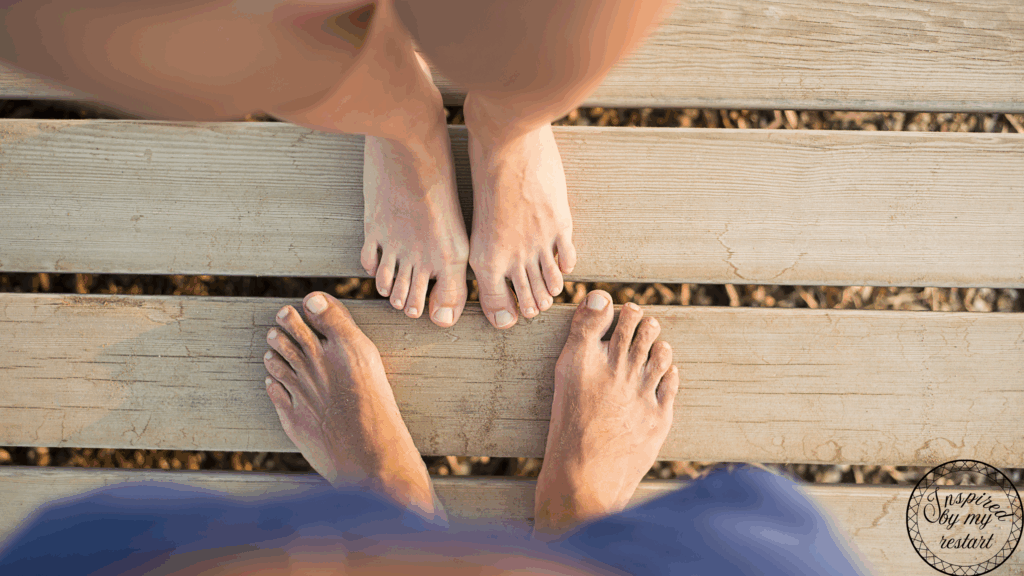
Research shows that the ability to stand on one leg may correlate with overall vitality and health status. People who can maintain balance for a longer period often show better nervous system function, lower levels of inflammation, and higher physical fitness. Balance tests are therefore used as one of the simple indicators of healthy aging.
Balancing also strengthens micro-stabilizing muscles, which are essential for mobility in old age. When they work well, the body maintains lightness of movement, sure-footedness, and less joint pain. Single-leg training is thus an investment in future vitality.
5. Activation of Deep Muscles
The single-leg exercise engages muscles often overlooked in regular training: the muscles of the feet, ankles, hips, and the deep abdominal stabilizing muscles. These “small” muscles have a crucial influence on body stability and help prevent back and joint pain. Through regular training, you learn to engage them more effectively.
Once these muscles are strengthened, movement is easier and the body is more stable. The technique of walking, running, and other activities improves. A simple exercise thus offers an unexpectedly high effect, teaching the body to function economically and safely.
6. Mental Focus and Mindfulness
Balancing on one leg requires full presence. You cannot think about emails or what you will cook; the body immediately pulls you back to the present moment. Therefore, this exercise is an excellent tool for training mindfulness and mental stability.
Many people report a feeling of calm and better concentration after even a short session. Balance thus becomes a small mental ritual that helps restart the system and tune into stability in both the body and the mind.
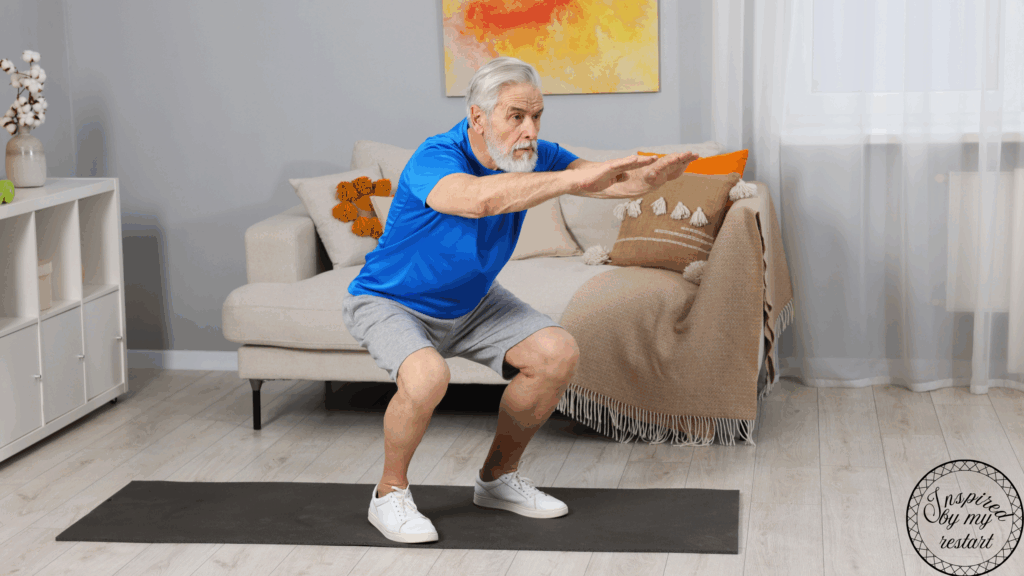
In the end, just a few seconds a day are enough to do something big for your future self. Single-leg balance is not just an exercise; it is a symbol. A symbol of the commitment to stay firmly rooted in the body that is meant to carry you for many more years.
Every short training session is a reminder that even small, seemingly simple steps can fundamentally influence the quality of life. Start today. Stand on one leg and allow yourself to be stronger, more stable, and more resilient, step by step, second by second.