

 cermakalex
 Do you already have beautiful green friends at home that help improve air quality (LH #4)? Great! Plants are wonderful helpers, but they’re not enough on their own. If you want to support a healthy environment in your home, don’t forget to ventilate regularly. And not just in summer, when it feels more natural.
Even in the winter months, ventilation has a crucial impact on our health, mood, and sleep quality. Fresh air can do more than we often realize, from improving concentration and mental well-being to preventing illness. In closed spaces, harmful substances, moisture, and carbon dioxide build up, all of which negatively affect our energy and immunity.
Just a few minutes a day and your body and mind will literally breathe easier. Short, intensive ventilation several times a day helps keep the atmosphere fresh, improves breathing, and supports overall vitality. Ventilate regularly, even in winter, and create a home environment that truly benefits you.
TOP 6 Benefits
1. Fresh air = better concentration
When carbon dioxide (CO₂) builds up in a room, the brain slows down. You may feel your thoughts scatter, struggle to focus, or get tired. Regular ventilation lowers CO₂ levels and increases oxygen supply, the fuel for mental performance.
Just a few minutes with the window open and your brain literally breathes. Attention, memory, and problem-solving improve. If you work or study from home, airing out several times a day is a simple way to stay mentally sharp.

2. Fewer viruses and bacteria
In closed spaces, viruses, bacteria, and mold spread easily. Especially in winter, when we spend more time indoors, the air is often overloaded with harmful substances. Ventilation helps disperse these microorganisms and reduce their concentration.
Regular ventilation is a simple prevention against colds, flu, and other infections. Short, intensive ventilation several times a day, so-called shock ventilation, replaces the air while keeping warmth in the solid objects.
3. Better mood and mental well-being
Stagnant air can negatively affect your psyche. You may feel irritable, low-energy, or unmotivated. Fresh air acts like a reset, refreshing not just the room but also the mind.
Ventilation helps improve mood, reduce stress, and support emotional stability. If you feel overwhelmed or tired, open the window for a few minutes. This small step can have a surprisingly big effect on your inner balance.

4. Higher-quality sleep
Ventilation before bed lowers the temperature in the bedroom, helping the body fall asleep faster. Cooler air supports deeper phases of sleep, when the body regenerates the most. At the same time, lower humidity improves breathing.
Just air out your bedroom for 10–15 minutes before sleep. If you make it part of your evening ritual, you’ll create an environment that naturally sets you up for rest. Sleep in a well-ventilated room tends to be calmer, deeper, and more refreshing.
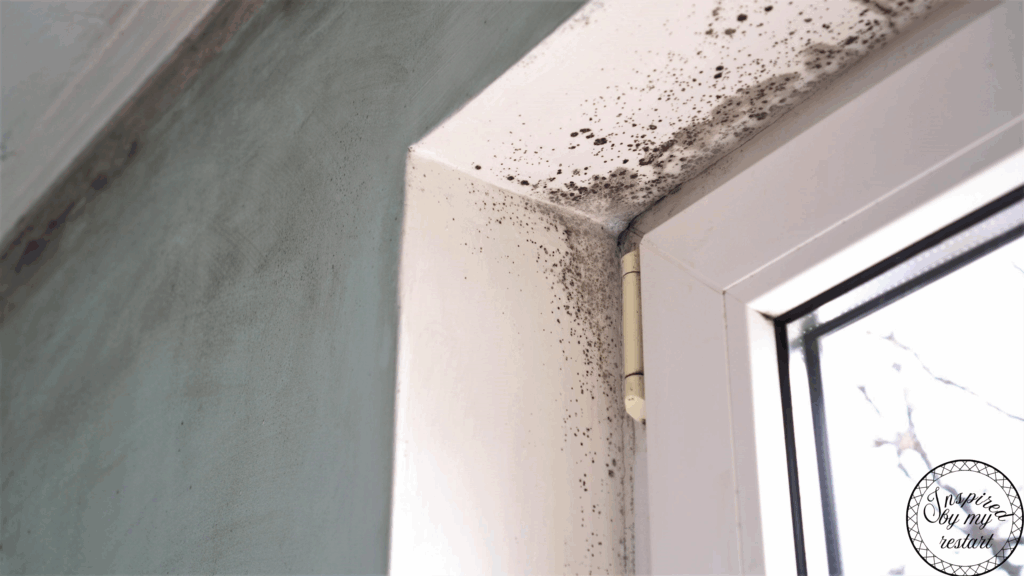
5. Lower humidity = less mold
In winter, indoor humidity easily builds up from cooking, showering, and even breathing. Without ventilation, moisture can settle on walls, windows, or furniture, creating ideal conditions for mold.
Regular ventilation helps maintain optimal humidity levels. This protects not only your respiratory health but also your interior. Mold isn’t just an aesthetic problem — it can trigger allergies, coughing, or chronic issues.
6. Detox for your home
Harmful substances are released in households from cleaning products, furniture, carpets, or electronics. These accumulate in the air and can irritate the eyes, airways, or cause headaches. Ventilation is the natural way to clear them out.
Fresh air works as a detox tool, without diffusers, sprays, or air purifiers. Just open a window and let the air flow. You’ll create a healthier environment for yourself, your family, and even your pets.
Ventilation is a simple habit with a huge impact. Give it space even in winter, and your health will reward you every single day!