

 cermakalex
 Bad mood, weight gain, and forgetfulness. These unpleasant symptoms may signal one thing: sleep debt. In today’s fast-paced world, sleep is often treated as something we can push aside in order to make more time for work, hobbies, or social life. Yet sleep is one of the most important pillars of our health, alongside diet and exercise. We underestimate its power, even though during the night our body performs an incredible amount of work to regenerate and prepare for the next day.
Why is sleep so essential for the body?
Think of sleep as a thorough cleaning and maintenance service for your body and mind. While you sleep, your brain actively processes the information you’ve taken in during the day, consolidates memories, and removes waste products. Growth hormone is released, crucial for repairing and regenerating muscles and tissues. Cells renew themselves, and the immune system strengthens to better fight off viruses and bacteria. Without sufficient sleep, the body doesn’t have time to properly heal and weakens its ability to defend itself against external threats.
How do you know if you’re not sleeping enough?
Do you wake up feeling tired and drained? Do you feel like the only thing that can save you is coffee? These are clear signs. Sleep deprivation, however, also shows up in less obvious ways. Common symptoms include irritability, poor concentration, memory lapses, and reduced creativity. In the long term, lack of sleep can lead to unwanted weight gain. That’s because sleep regulates hunger hormones — ghrelin (which increases appetite) and leptin (which signals fullness). When you don’t sleep enough, ghrelin rises and leptin drops, leading to uncontrollable cravings.

How many hours of sleep do we really need?
Scientific studies are clear. Sleeping less than 7 hours has serious health consequences. Most experts recommend that adults get 7 to 9 hours per night. Seven hours is the bare minimum to maintain health. Research has shown that chronic sleep deprivation increases the risk of heart disease, high blood pressure, type 2 diabetes, and other lifestyle-related illnesses. The goal should not be to merely “get by” on the minimum, but to give your body the sleep it truly needs for full regeneration.
Sleep as prevention
Regular, quality sleep restores energy and vitality. It has a direct impact on mental health and can help reduce symptoms of anxiety and depression. With better focus and memory, you’ll be more productive and efficient at work and school. A stronger immune system will save you time and trouble with illnesses. And last but not least, sufficient sleep is one of the best tools for managing body weight. It’s not only about what we eat and how we move, but also about how well we recover.
TOP 6 Benefits
1. Better Brain Function
During sleep, the brain organizes the information you’ve gathered during the day and strengthens memory pathways. This process, known as memory consolidation, makes learning easier, recall faster, and problem-solving more effective. Sleep deprivation slows reactions, worsens decision-making, and reduces focus.
When you sleep less than 7 hours, the brain doesn’t have enough time to regenerate. This can show up as “brain fog,” forgetfulness, or mental fatigue. Regular, quality sleep helps you stay sharp, creative, and more resilient to stress.

2. Stronger Immunity
Sleep is the time when the body repairs damaged tissues, produces new cells, and activates immune defenses. During deep sleep, production of cytokines increases, proteins that help fight infections and inflammation. With too little sleep, the body is weaker and more prone to illness.
Chronic sleep deprivation can lead to frequent colds, slower healing, and a higher risk of autoimmune disorders. Adequate sleep, on the other hand, keeps your immune system alert so you recover faster and resist viruses and bacteria more effectively.
3. A Healthier Heart
Sleep helps regulate blood pressure, heart rate, and levels of stress hormones such as cortisol. When you get enough rest, your heart has time to recover and your blood vessels remain flexible. Lack of sleep raises the risk of hypertension, heart attack, and stroke.
In the long run, quality sleep serves as prevention against cardiovascular disease. People who regularly sleep less than 7 hours tend to have higher levels of inflammatory markers in their blood. Sleep is not just rest, it’s an active process that protects your heart.
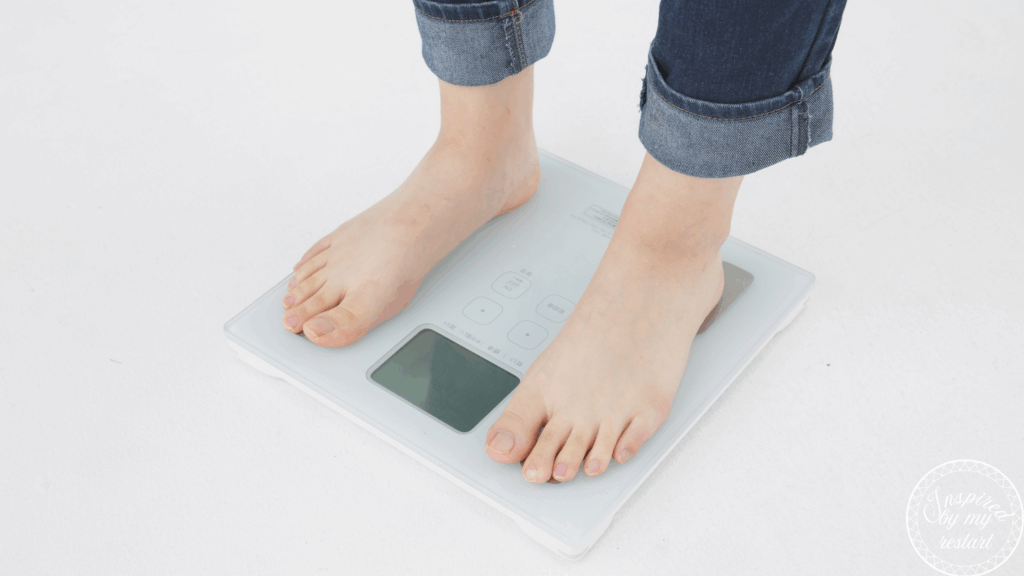
4. Better Weight Control
Sleep regulates hunger hormones, ghrelin (which stimulates appetite) and leptin (which signals satiety). With too little sleep, ghrelin levels rise and leptin drops, causing stronger cravings for sweet, fatty, and calorie-dense foods. The body compensates for lack of energy with overeating.
In addition, sleep deprivation slows metabolism and increases fat storage. Regular sleep helps you maintain hormonal balance, control portions more easily, and naturally lose or maintain weight. Sleep is the secret ally of every healthy diet.
5. Balanced Mood
Sleep stabilizes the brain’s emotional centers, especially the amygdala and prefrontal cortex. With enough sleep, you handle stress, conflicts, and challenges more calmly. Too little sleep increases irritability, mood swings, and the risk of depression.
Quality sleep helps you feel emotionally balanced, more patient, and maintain a positive outlook. If you feel overwhelmed or emotionally unstable, the missing ingredient is often sleep. Seven hours a night can be your emotional shield.
6. More Energy and Performance
After quality sleep, you have more strength, motivation, and mental capacity. Your body is recharged, your muscles recovered, and your brain ready to perform. You wake up refreshed, not just surviving the day on coffee or sugar.
Sleep helps you handle both physical and mental challenges. Whether you’re exercising, working, or studying, seven hours of sleep gives you an edge. It’s not a luxury, it’s the essential fuel for both body and mind.
Make seven hours of sleep your new foundation for a healthy lifestyle. Do it for your body and your mind. Sleep is not a luxury, it’s the most important investment you can make in yourself.